




Nigeria’s education system can sometimes be confusing, especially for parents, students, and international readers trying to understand how different school levels compare to grades used in countries like the United States, Canada, or the United Kingdom. One of the most commonly asked questions is: What grade is JSS3 in Nigeria?
If you have ever wondered where JSS3 in Nigeria fits within the educational system, this comprehensive guide explains everything you need to know. From grade equivalency and age requirements to subjects studied and examinations taken, this article provides a detailed understanding of what grade is JSS3 in Nigeria and why it is such an important stage in a student’s academic journey.
What Grade Is JSS3 in Nigeria?
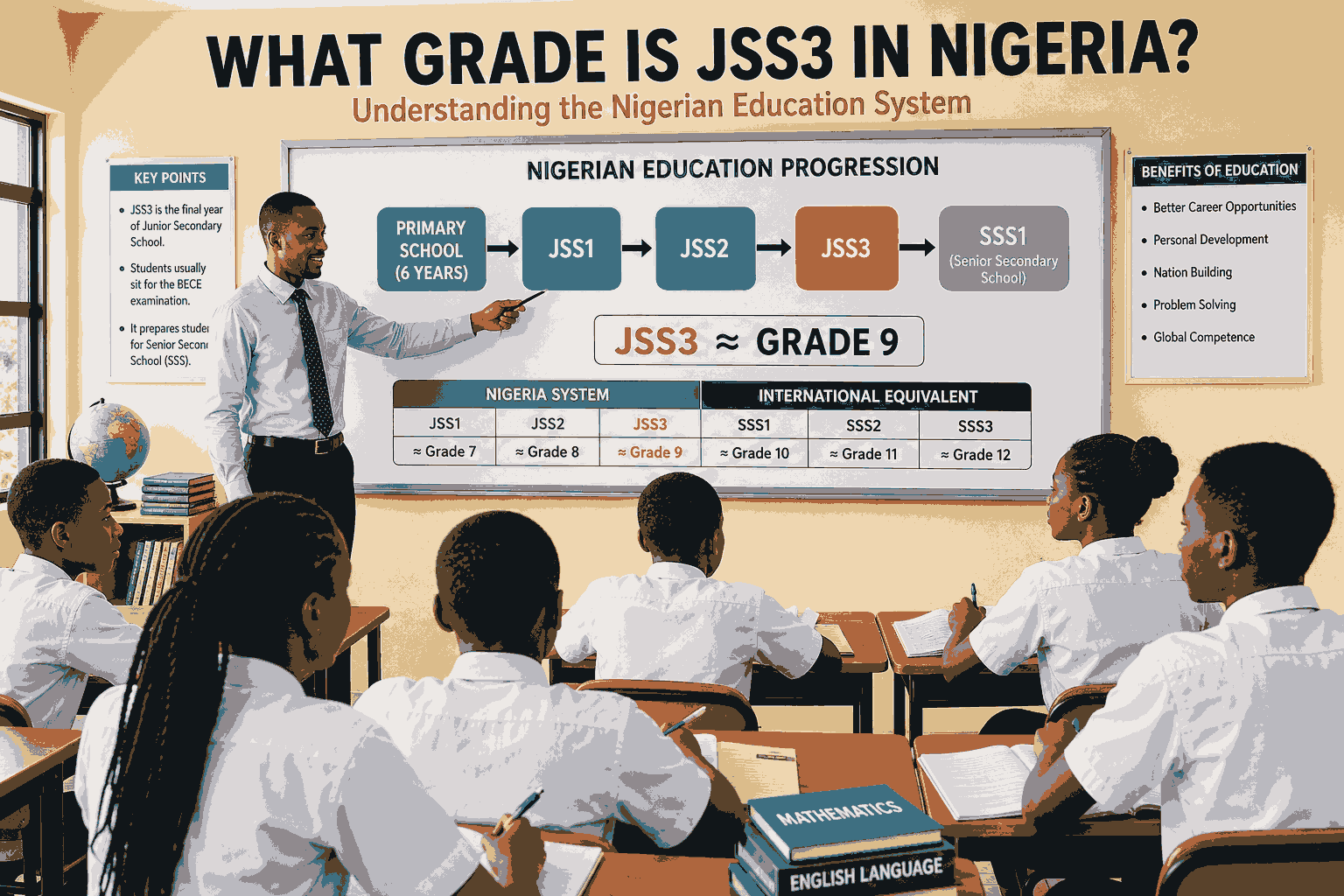
The simple answer to what grade is JSS3 in Nigeria is that JSS3 (Junior Secondary School 3) is generally equivalent to Grade 9 in the United States educational system and Year 9 in some international systems.
JSS3 is the third and final year of Junior Secondary School (JSS), making it a crucial transition point before students move into Senior Secondary School (SSS).
Students in JSS3 are typically between 13 and 15 years old, depending on when they started school and whether they have repeated any classes.
When discussing what grade is JSS3 in Nigeria, it is important to understand that Nigerian education follows a unique structure known as the 6-3-3-4 system, which organizes learning into different stages.
Understanding Nigeria’s Education Structure
To properly answer what grade is JSS3 in Nigeria, it helps to understand the Nigerian educational framework.
The education system is divided into four major levels:
Primary Education (6 Years)
Primary education consists of:
- Primary 1
- Primary 2
- Primary 3
- Primary 4
- Primary 5
- Primary 6
Children usually begin Primary 1 at around age six.
Junior Secondary Education (3 Years)
After primary school, students enter junior secondary school:
- JSS1
- JSS2
- JSS3
This stage provides foundational academic knowledge and prepares students for specialized learning later.
Senior Secondary Education (3 Years)
Students who successfully complete JSS3 move on to:
- SSS1
- SSS2
- SSS3
These years focus on preparing students for university admission and professional careers.
Tertiary Education
This includes:
- Universities
- Polytechnics
- Colleges of Education
- Monotechnics
Understanding this structure makes it easier to see what grade is JSS3 in Nigeria and how it compares internationally.
International Equivalents of JSS3
Many people searching for what grade is JSS3 in Nigeria are often trying to compare Nigerian education with foreign systems.
The closest comparisons include:
| Nigeria | United States | United Kingdom |
|---|---|---|
| JSS1 | Grade 7 | Year 7 |
| JSS2 | Grade 8 | Year 8 |
| JSS3 | Grade 9 | Year 9 |
Therefore, if someone asks what grade is JSS3 in Nigeria, the most accurate answer is that it corresponds roughly to Grade 9.
This equivalency helps students transferring between countries understand where they fit academically.
Why JSS3 Is an Important Academic Stage
Knowing what grade is JSS3 in Nigeria is only part of the story. JSS3 represents a major turning point in a student’s educational life.
Preparation for Senior Secondary School
JSS3 serves as the final stage before senior secondary education begins.
Students are expected to:
- Develop stronger academic skills
- Improve analytical thinking
- Build study habits
- Prepare for advanced subjects
Career Awareness
Many schools begin introducing career guidance during JSS3.
Students start learning about potential fields such as:
- Medicine
- Engineering
- Law
- Accounting
- Education
- Technology
Academic Assessment
Performance during JSS3 often influences future educational opportunities and placement into senior secondary schools.
Subjects Studied in JSS3
A key part of understanding what grade is JSS3 in Nigeria involves knowing what students learn.
Although curricula may vary slightly between schools, common subjects include:
Core Subjects
- English Language
- Mathematics
- Basic Science
- Basic Technology
- Social Studies
- Civic Education
Language Subjects
Students may study:
- Yoruba
- Igbo
- Hausa
- French
- Arabic
depending on location and school policies.
Vocational Subjects
Many schools offer:
- Home Economics
- Agriculture
- Computer Studies
- Business Studies
Creative Subjects
Students often take:
- Fine Arts
- Music
- Cultural and Creative Arts
These subjects help provide a balanced educational experience.
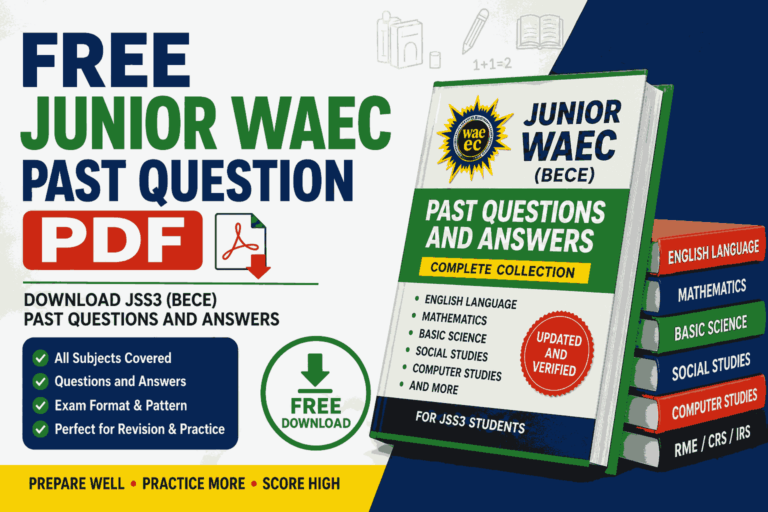
The BECE Examination in JSS3
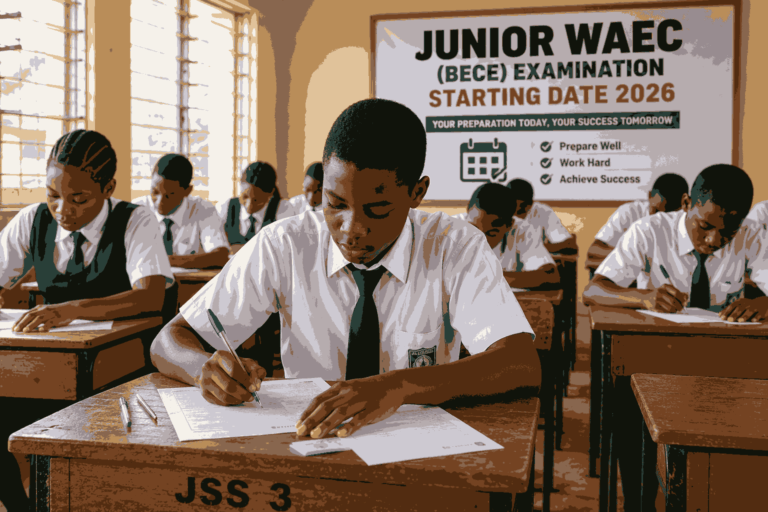
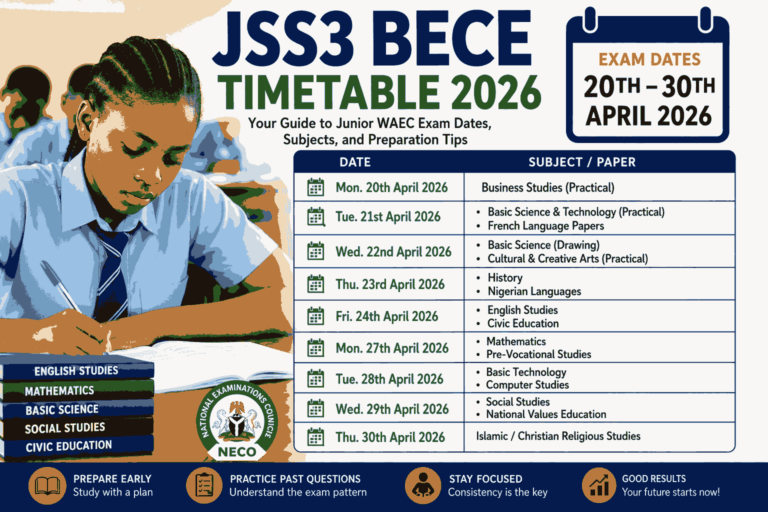
One reason people frequently ask what grade is JSS3 in Nigeria is because JSS3 students take a major examination.
What Is BECE?
BECE stands for:
Basic Education Certificate Examination
This examination marks the completion of junior secondary education.
Who Takes BECE?
All students in JSS3 are generally required to sit for the examination.
Subjects Tested
BECE commonly covers:
- Mathematics
- English Language
- Basic Science
- Social Studies
- Civic Education
- Business Studies
- Computer Studies
and other approved subjects.
Purpose of BECE
The examination determines whether students are academically prepared for senior secondary school.
More information about Nigeria’s education policies can be found through the official website of the Federal Ministry of Education: Federal Ministry of Education Nigeria
What Age Are Students in JSS3?
Another common question linked to what grade is JSS3 in Nigeria concerns student age.
Most JSS3 students fall within the following range:
| Class | Typical Age |
|---|---|
| JSS1 | 11–13 years |
| JSS2 | 12–14 years |
| JSS3 | 13–15 years |
However, age can vary due to:
- Early school enrollment
- Late enrollment
- Class repetition
- Accelerated learning programs
Transition From JSS3 to Senior Secondary School
After completing JSS3, students move into the next educational stage.
Entry into SSS1
Students who pass the required examinations proceed to:
- SSS1
- SSS2
- SSS3
Subject Specialization
During senior secondary school, students often begin focusing on academic tracks such as:
Science
Subjects include:
- Physics
- Chemistry
- Biology
Commercial
Subjects include:
- Accounting
- Commerce
- Economics
Arts
Subjects include:
- Literature
- Government
- History
This specialization helps prepare students for higher education and careers.
Differences Between JSS3 and Grade 9 Abroad
Although what grade is JSS3 in Nigeria is commonly answered with Grade 9, there are some differences.
Curriculum
Nigeria emphasizes:
- Civic Education
- National values
- Local languages
- Basic Technology
while other countries may focus more heavily on elective subjects.
Examination Structure
Nigerian students often face standardized examinations earlier than many Grade 9 students abroad.
Educational Goals
JSS3 is designed specifically to prepare students for subject specialization in senior secondary school.
Despite these differences, Grade 9 remains the closest international comparison.
Common Misconceptions About JSS3
Several misunderstandings exist regarding what grade is JSS3 in Nigeria.
JSS3 Is Not Primary School
Some people mistakenly believe JSS3 is part of primary education.
In reality, students have already completed six years of primary education before entering JSS.
JSS3 Is Not Senior Secondary School
JSS3 remains part of junior secondary education.
Senior secondary education begins in SSS1.
JSS3 Is More Than Just Grade 9
While equivalent to Grade 9 internationally, the Nigerian curriculum and examination system have unique characteristics.
The Future After JSS3
Completing JSS3 opens numerous educational opportunities.
Students may proceed to:
- Senior secondary schools
- Technical colleges
- Vocational institutions
- Specialized training centers
The goal is to help students build academic and professional pathways that match their interests and talents.
Because of its role in shaping future education, understanding what grade is JSS3 in Nigeria is important for students, parents, teachers, and international institutions.
Conclusion
So, what grade is JSS3 in Nigeria? The answer is that JSS3 is generally equivalent to Grade 9 in the United States and Year 9 in many international education systems. It represents the third and final year of junior secondary education and serves as a bridge between basic education and senior secondary school.
JSS3 is an important academic stage where students prepare for major examinations, explore career interests, and develop the skills needed for future success. Whether you are a parent, student, educator, or someone comparing international education systems, understanding what grade is JSS3 in Nigeria provides valuable insight into how Nigerian education is structured.
Also Read: Has WAEC Registration for 2026 Started? Complete Guide for Candidates
Frequently Asked Questions (FAQs)
1. What grade is JSS3 in Nigeria compared to the United States?
JSS3 is generally equivalent to Grade 9 in the United States educational system.
2. How old are students in JSS3?
Most JSS3 students are between 13 and 15 years old, although ages can vary.
3. What examination do students take in JSS3?
Students typically take the Basic Education Certificate Examination (BECE), which qualifies them to move into Senior Secondary School (SSS1).









+ There are no comments
Add yours